
STOP Subletting ADAS Calibrations. Start Performing Them In-House With Confidence
Each calibration you sublet is lost profit. And every missed step is a liability risk.
Our 10-Step Calibration System teaches you the exact process we use for calibration success every single time, so you can keep that revenue instead of handing it to someone else.
Get Instant Course Access →One-time payment. LIFETIME access.
All for the cost of ONE calibration ticket.
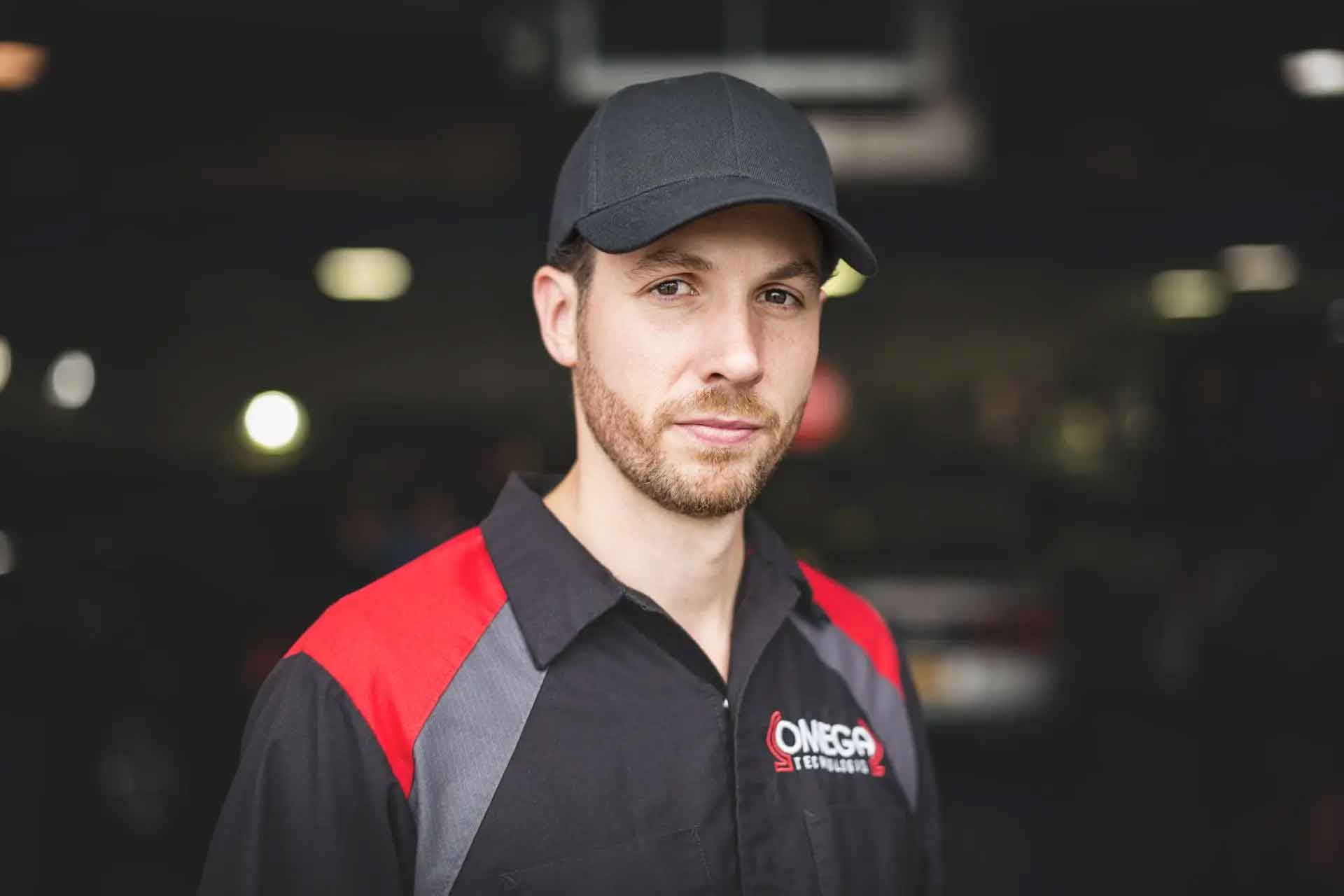
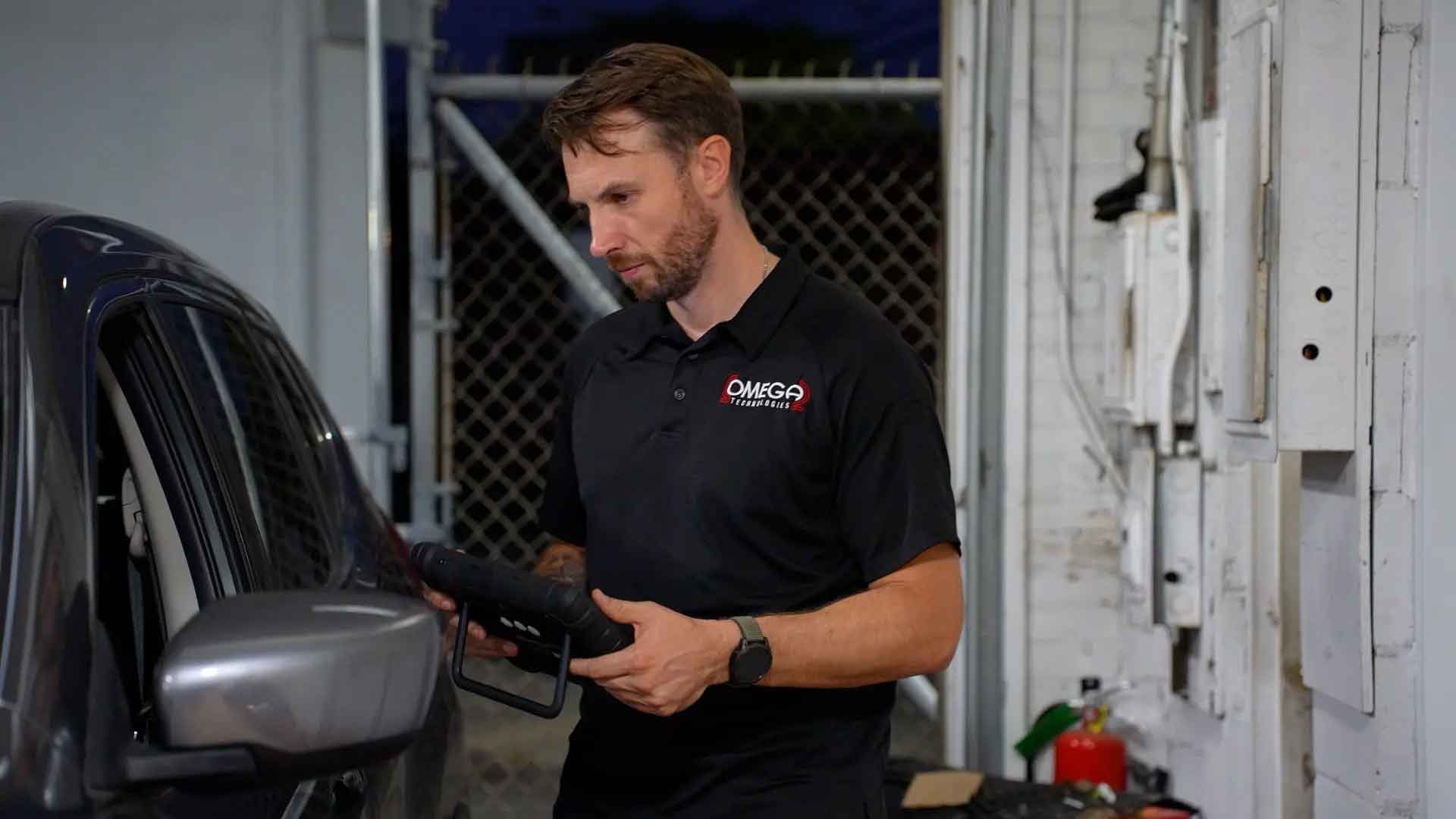
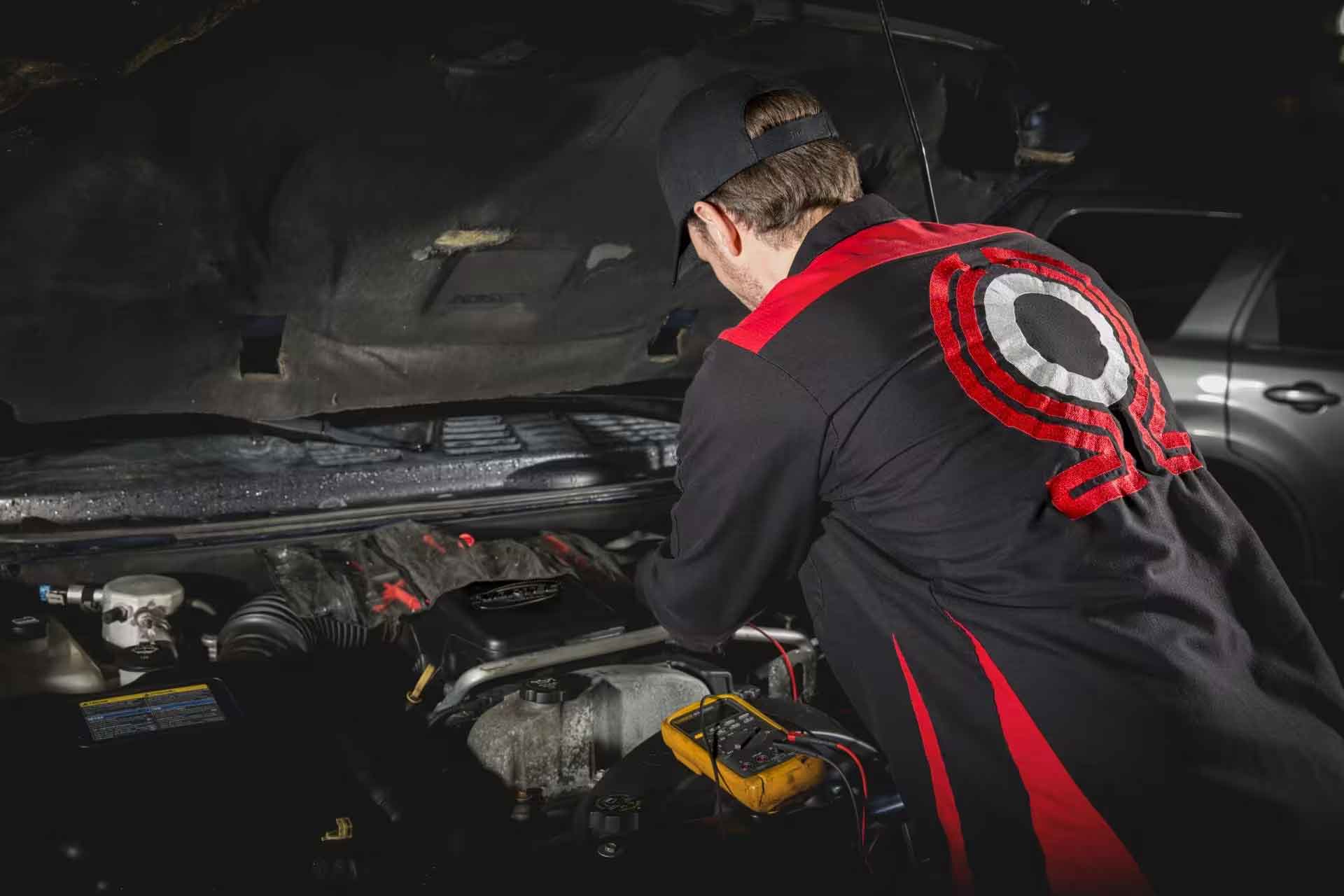
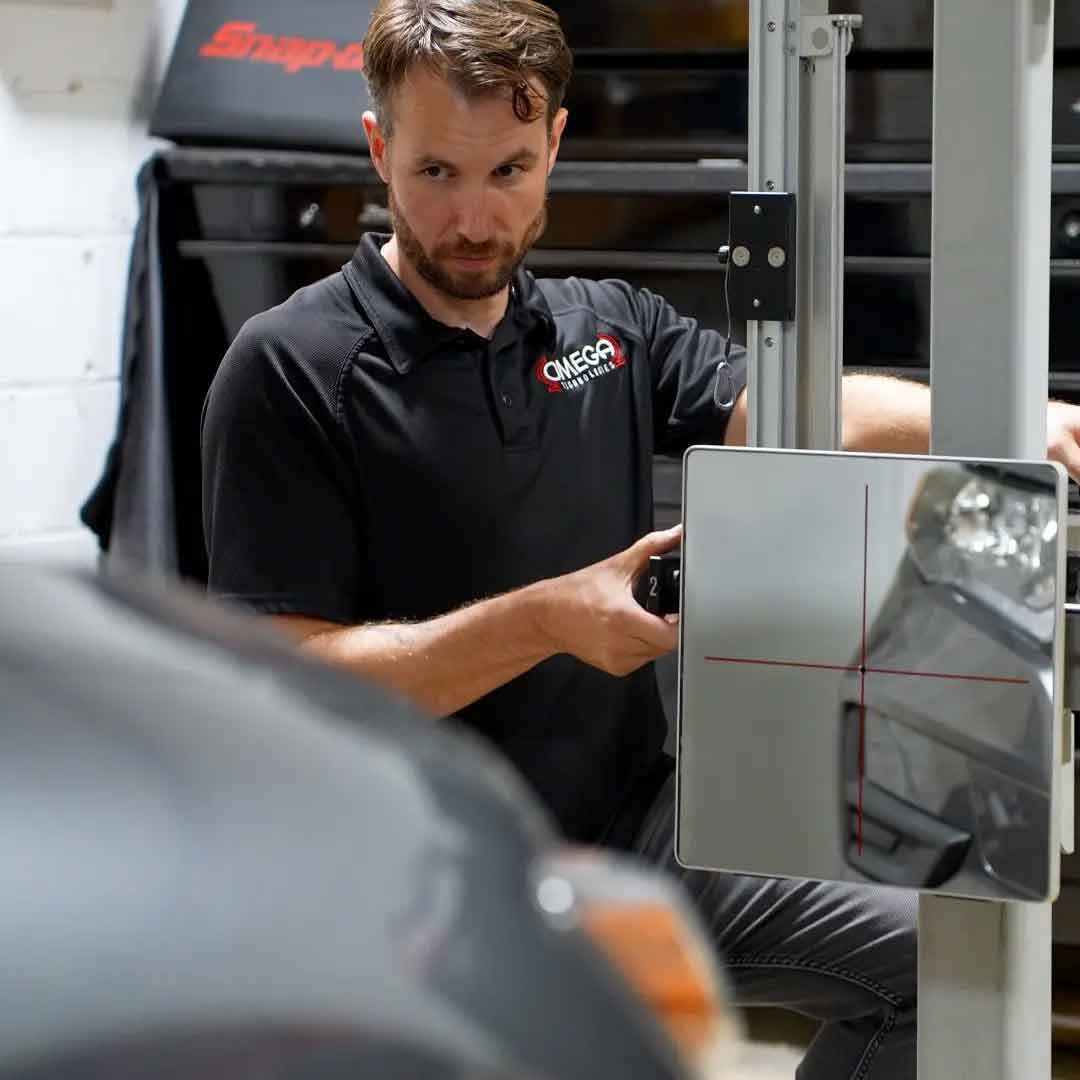
What Techs Are Saying
"Everything I learned was directly applicable to real-world situations and proved highly effective. The ADAS procedures were explained in a simple and accessible way, making the learning process easier and practical. The structured approach helped me with issues I previously thought were beyond my ability."
"This program was a fun and entertaining experience. It is a great interactive experience with a good amount of humor. Other training I have done felt a bit too corporate and boring. Chris makes this feel fun and entertaining. If you are looking to learn the ins and outs of ADAS calibrations I'd recommend this course!"
"I've taken other ADAS calibration courses and could barely keep my eyes open during them because of how boring they were. But this course was fun and whimsical it cracks me up the entire time. The instructor's charismatic personality and the hilarious reoccurring characters keep the learning fun and engaging while remaining informative and detailed."
Most Shops Are Leaving ADAS Money on the Table. And They Know It.
Dollars and Sense?
Every time your shop calls a mobile calibration company or subs out an ADAS job to a dealer, you are writing a check. $300 here. $600 there. $1,200 (or more) for a full-system job after a repair. And that money does not come back.
Forward Looking Learning
ADAS is the future of this industry. The shops and techs that figure it out first are going to own it. The ones that keep subletting are just funding the ones that did.
Lack of (good) training
The frustrating part? It's not that all calibrations are too complicated. It's that nobody has ever taught you the process in a way that actually makes sense on the shop floor. Most training is built for classrooms, not bays. Theory-heavy, scenario-perfect, and completely disconnected from what a real job looks like when a customer's car is sitting in your bay.
Every sublet calibration is revenue that leaves your shop permanently.
Delays waiting for a mobile tech add hours — sometimes days — to job cycle time.
Sending the car out means you lose control of quality, liability documentation, and the customer relationship.
Why Most Techs Get This Wrong
It is not a lack of effort. Most techs who attempt ADAS calibrations without proper training are working hard and following the steps as best they can. The problem is not effort — it is the gaps nobody told them about.
Scan Tool Overconfidence
The scan tool says the calibration passed. So it must be done, right? Not always. A pass result confirms the system completed its routine — not that the calibration was performed correctly. Incorrect target placement, improper vehicle preparation, or environmental factors can all produce a false pass. The system thinks it is calibrated. It is not.
Incomplete Procedures
Most techs learn one or two calibration procedures and assume the rest work the same way. They do not. Forward radar, multi-purpose cameras, blind spot sensors, and around-view cameras each have their own target requirements, placement specifications, and verification procedures. Skipping steps produces results that look correct and fail in the real world.
No Repeatable System
The biggest gap is not knowledge — it is structure. Without a consistent process, every calibration becomes a guessing game. A repeatable system removes the uncertainty. Every calibration runs the same way. Every result is documented. Every vehicle leaves with confidence behind it — not hope.
THE SOLUTION?
The Calibration Success Framework
The Difference Between Guessing… and Knowing It's Done Right
Most technicians approach ADAS calibrations the same way they approach everything else. Get the car in, connect the scan tool, figure it out from there.
That works until it doesn't. And when it doesn't, you are chasing your tail on a safety-critical system with a customer waiting and no clear path forward.
This course teaches you the Calibration Success Framework™, a complete system for approaching every ADAS calibration with structure, confidence, and a repeatable process that produces documented results every time.
Ten Steps for Calibration Success
Static calibrations are the majority of what you will encounter in the real world — forward radar, multipurpose cameras, blind spot sensors, around-view cameras, parking sensors. Every static procedure in this course runs through the same ten-step framework.
From the first tool you grab to the final scan documentation, the Ten Steps give you a structured, repeatable workflow that takes the guesswork out of every static calibration you perform. Different vehicles. Different targets. Different manufacturers. Same disciplined process.
Dynamic Calibration Success Workflow
When targets aren't part of the equation and the open road becomes your calibration environment, a different kind of discipline takes over. The Dynamic Calibration Success Workflow teaches you how to apply the same structured thinking to on-road calibrations: vehicle preparation, pre-calibration scanning, real-world driving conditions, validation, and documentation. No more winging it on a dynamic. No more uncertainty about whether or not it worked.
What You'll Learn
Who This Course Is For
What's Inside the ADAS Mastery Course
Module 1 – Welcome & Foundations
Before you touch a target or open a scan tool, you need to know what you're working with — the why behind ADAS, and a plain-English breakdown of radar, camera, and ultrasonic sensors.
• Course Introduction
• Introduction to ADAS
• Sensor Technology Overview
• Calibration Success Framework
• Module 1 Knowledge Check
Module 2 – Forward Radar Systems
Forward radar is the backbone of Adaptive Cruise Control, Forward Collision Warning, and Automatic Emergency Braking. This is where the Ten Steps for Calibration Success make their debut — trigonal reflector and flat plate static setups, then on-road dynamic calibration.
• Front Radar Calibration (Intro)
• Vehicle Centerline Interactive
• Static Forward Collision Warning
• Static Radar – Trigonal Reflector Interactive
• Static FCW 102B – Flat Plate Variant
• Static Radar – Flat Plate Reflector Interactive
• Dynamic FCW 103
• Module 2 Knowledge Check
Module 3 – Multi-Purpose Camera (MPC) Systems
The multi-purpose camera does a lot of heavy lifting — Lane Departure Warning, Traffic Sign Recognition, and more. Static, dynamic, and dual calibration, with both aftermarket and OEM targets.
• MPC 101 – Overview
• MPC 102 – Static Calibration Demo
• Static MPC Interactive
• MPC 103 – Dynamic Calibration
• MPC 104 – Dual Calibration
• Dual MPC Interactive
• Module 3 Knowledge Check
Module 4 – Blind Spot Monitoring (BSM)
Blind Spot Monitoring, Cross-Traffic Alert, and Lane Change Assist all run on short-range radar tucked into the rear corners. Static trigonal, dynamic, and the more advanced Doppler target calibration.
• BSM 101 – Overview
• BSM 102 – Static Calibration (Trigonal Reflector)
• BSM Static Interactive
• BSM 103 – Dynamic Calibration
• BSM 103D – Doppler Calibration
• Module 4 Knowledge Check
Module 5 – All-Around View Monitor (AVM)
AVM systems stitch together feeds from multiple wide-angle cameras into a seamless 360-degree bird's-eye view. Dynamic calibration, static mat target calibration, and static tape line target calibration.
• AVM 101 – Overview
• AVM 102 – Dynamic Calibration
• AVM 103 – Static Calibration w/ Flat Mat Target
• AVM 103B – Static Calibration w/ Tape Target Line
• Knowledge Check
Module 6 – Parking Sensor Systems
Ultrasonic parking sensors have come a long way from simple beepers. Initialization and positional programming, plus the angle measurements required by more advanced systems, including reverse automatic braking integration.
• Parking Sensor 101 – Overview
• Parking Sensor 102 – Calibration & Positional Programming
• Knowledge Check
Tech Tips (Coming Soon)
Bonus material in final production — added to your dashboard automatically at no additional cost the moment it's ready.
• Scan file setup and data keeping (Coming Soon)
• Required pre-requisite procedures and why they matter (Coming Soon)
• Sensor troubleshooting and adjustment techniques (Coming Soon)
Course Preview – Diagnostic Fundamentals
A taste of what's coming next — the Omega Method of Diagnostics, an 8-step framework for finding the right fix the first time and leaving the parts cannon on the shelf where it belongs.
• Introduction to Diagnostics
ADAS Mastery Certification
You made it. Once you've completed all modules and knowledge checks, you'll earn your Automotive Hero Certificate — proof you know your way around a calibration bay, not just a YouTube tutorial.
• Course Completion Certificate
• ADAS Mastery Certification
Course Features
Our Course is the Cost of
ONE ADAS Calibration Ticket
• One-time payment - no subscriptions, no renewals
• Lifetime access to all current and future content
• All future modules and updates included at no extra cost
• Enrollment takes less than 2 minutes
The average ADAS calibration ticket runs $500 to $2,000. One job kept in-house pays for this course. Everything after that is profit.
Your Instructor
Chris Hetherington
Master Technician, Advanced Diagnostics & ADAS Certified

"This will change how you approach ADAS calibrations in your shop. Based on nearly 20 years of real calibration work, I am confident we will change exactly that: how you think about the process, how you execute it, and how you document the results."
Frequently Asked Questions
Is the course complete right now?
Six full modules are live today covering every major ADAS system. The seventh module, the Tech Tips module is in final production and will be added to your dashboard automatically at no additional cost.
What equipment do I need to take this course?
You do not need any equipment to complete the course. The course teaches the process so that when you have the equipment you know exactly how to use it correctly.
I already have some ADAS experience. Is this still worth it for me?
If you have never had a structured repeatable process for every calibration type the course will fill gaps you did not know you had. Most experienced techs find the framework changes how they approach jobs they thought they already knew how to do.
How long does it take to complete?
Most students complete the core modules in one to four weeks at a pace of a few lessons per session. The course is self-paced so you go as fast or slow as your schedule allows.
What if I am not satisfied?
Honestly? We would be surprised. We built this course specifically to be training that does not suck - practical procedures, real vehicles, and enough personality to keep you engaged all the way through. If for some reason it falls short of that for you, you may request a full refund within 7 days of enrollment provided you have not completed content beyond Module 1.
My technician has never done an ADAS calibration before. Can they really learn this from an online course?
Absolutely. This course was specifically built for that starting point. The Calibration Success Framework gives your tech a structured process to follow from day one. They do not need prior calibration experience. They need the right process and the discipline to follow it. That is exactly what the course teaches. It was modeled after the technician training process we have used to take technicians from entry level to ADAS Masters.
How quickly will my shop see a return on this investment?
The average ADAS calibration ticket runs $500 to $2,000. One calibration kept in-house instead of subletted covers the entire cost of the course. Everything after that is recovered revenue that was previously leaving your shop every time you called someone else.
Do I need to be involved in my technician's training?
No. The course is fully self-paced and self-directed. Your tech works through it on their own schedule without requiring your time or oversight. The structured format means they are not figuring it out independently. They are following a proven process with clear steps at every stage.
Can more than one tech in my shop take this course?
Yes! Multi-seat enrollment is available. Contact us directly at info@omegatechacademy.com and we will put together a package for your team.
You are not just learning procedures. You are becoming the person in the shop who actually knows how to do this correctly - the one other techs ask when something does not make sense.
You already have the vehicles. You already have the opportunity. The only thing standing between you and keeping those calibration dollars in your shop is knowing how to do the job correctly. That is exactly what this course teaches you.
Get Instant Course AccessAutomotive Hero rate is $695 - that's the cost of one calibration ticket. Enroll now and lock in your rate, plus every future module and update at no additional cost!
Ready For More Than a Course?
If you want implementation support, one-on-one coaching, or on-site shop training - we offer that too.